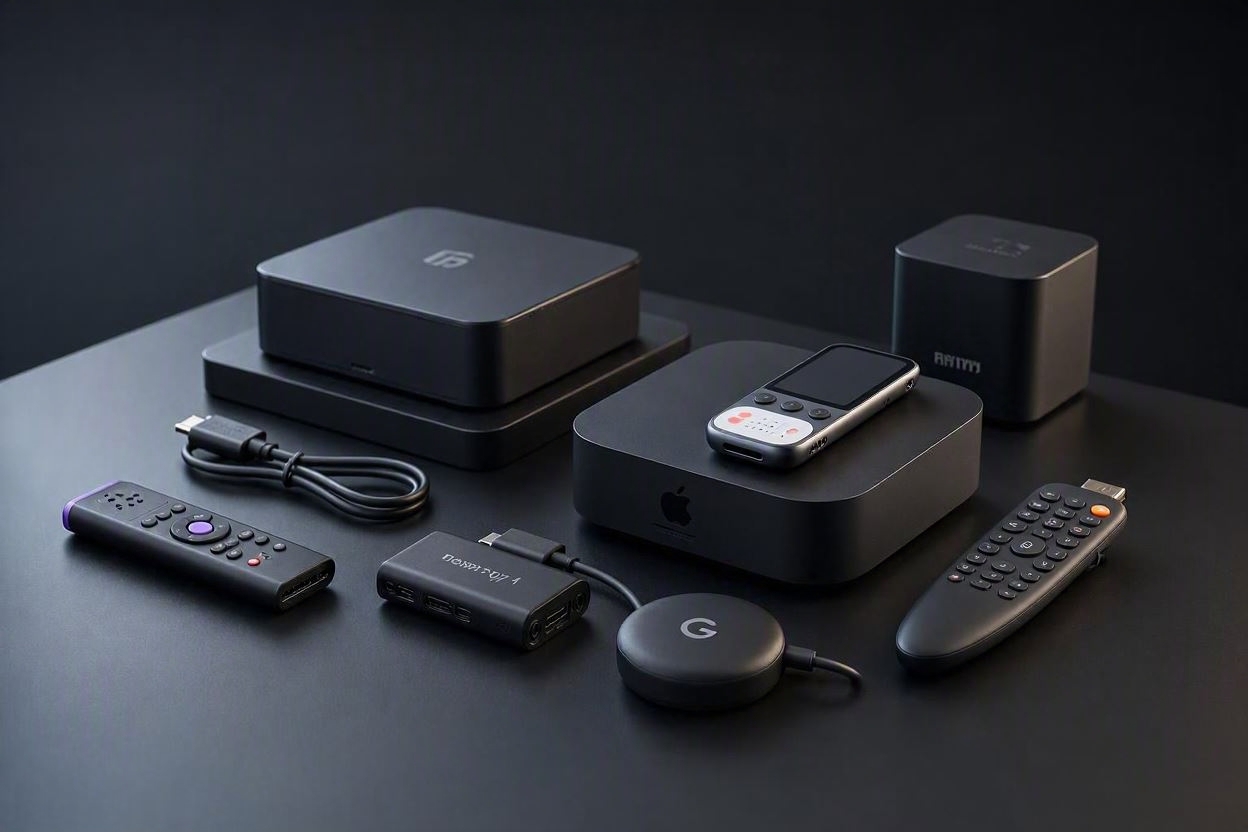

By 2026, the streaming landscape has undergone a massive shift. As traditional subscription prices for premium services like Netflix, Disney+, and Max continue to climb, consumers have hit “subscription fatigue.” Enter FAST (Free Ad-supported Streaming Television) and AVOD (Ad-supported Video on Demand) platforms.
Once considered the bargain-bin alternative to paid services, free streaming platforms in 2026 feature Hollywood blockbusters, critically acclaimed original series, live local news, and thousands of classic television shows—all without requiring a credit card.
Here is the definitive guide to the best free streaming TV platforms in 2026.
1. Tubi
- Best For: Movie buffs and sheer variety of content.
- Why it shines in 2026: Owned by Fox, Tubi has consistently outpaced competitors by focusing on a massive, highly curated library rather than trying to mimic traditional cable. In 2026, Tubi boasts over 200,000 movies and TV episodes. Its recommendation algorithm has become arguably the best in the business, and the platform has heavily invested in “Tubi Originals”—genrespecific movies (especially thrillers and indie horror) that have built a cult following among Gen Z and Millennials.
- The Catch: Commercial breaks are frequent (though usually shorter than traditional TV), and new theatrical releases won’t be found here.
2. Pluto TV
- Best For: Fans of traditional “channel surfing.”
- Why it shines in 2026: If you miss the passive experience of flipping through cable channels, Pluto TV (owned by Paramount) remains the gold standard. It features hundreds of virtual linear channels broadcasting 24/7. Whether you want an endless loop of Star Trek, CSI, or 90s reality TV, Pluto has a dedicated channel for it. Furthermore, their on-demand movie and TV library has expanded significantly, making it a versatile hybrid platform.
- The Catch: Because it mimics live TV, you can’t easily pause or rewind on most channels, and you watch what’s currently airing.
3. Roku Channel
- Best For: Roku device owners looking for exclusive prestige content.
- Why it shines in 2026: While you don’t need a Roku device to use The Roku Channel (it’s available on web, mobile, and Fire TV), it is the crown jewel of Roku’s ecosystem. The platform made waves a few years ago by acquiring the catalog of the defunct Quibi and producing high-profile originals like WEIRD: The Al Yankovic Story. In 2026, its library of Emmy-nominated Roku Originals, combined with a robust live news lineup and hundreds of free movies, makes it a top-tier contender.
- The Catch: The interface is optimized best for Roku hardware; using it via web browsers can feel a bit cluttered.
4. Freevee (formerly IMDb TV)
- Best For: High-budget original series and Amazon Prime users.
- Why it shines in 2026: Backed by Amazon, Freevee bridges the gap between free streaming and premium production value. It offers several critically acclaimed original series (like Bosch: Legacy and Jury Duty), alongside a rotating selection of major studio movies. Because it integrates directly into the Prime Video app, it’s seamless for Amazon users to access without downloading a separate app.
- The Catch: Ad breaks can sometimes feel jarringly placed within the middle of dramatic scenes.
5. Hoopla & Kanopy
- Best For: Cinephiles, documentary lovers, and students.
- Why it shines in 2026: If you possess a public library card or a university login, Hoopla and Kanopy are absolute treasures. Completely free with zero ads, these platforms offer A24 indie films, classic cinema, Criterion Collection masterpieces, and educational series (like The Great Courses). In 2026, as ad-load fatigue grows, the ad-free nature of these library-backed services makes them invaluable.
- The Catch: You are limited to a set number of borrows or “tickets” per month, depending on your local library’s policies.
6. YouTube
- Best For: Full-length movies and user-generated culture.
- Why it shines in 2026: Beyond being the home of creators and podcasts, YouTube quietly maintains a massive, rotating library of free-to-watch-with-ads full-length Hollywood movies. Studios like MGM, Paramount, and Lionsgate routinely dump hundreds of popular titles here. The video quality is consistently reliable, and the interface is universally understood.
- The Catch: The free movies are often buried beneath YouTube’s algorithmic feed of regular creator content and rental prompts.
Tips for Getting the Most Out of Free Streaming in 2026
- Don’t Over-Download: With so many free apps available, it’s easy to clutter your smart TV. Pick two or three (e.g., Tubi for movies, Pluto for background noise, and Freevee for prestige shows) to keep your home screen clean.
- Embrace the Rotation: Free platforms constantly license new content monthly. If a movie isn’t on Netflix, there’s a high chance it will pop up on Tubi or The Roku Channel within a few months.
- Use Universal Search: Modern smart TVs (Google TV, Apple TV, Roku) have universal search bars. Type in the movie you want to watch, and the system will often tell you if it’s streaming for free on one of these platforms, saving you from paying a rental fee.
As we navigate 2026, paying for television is increasingly becoming optional. With high-definition streaming, massive libraries, and growing original content budgets, free TV platforms are no longer a compromise—they are the smart choice.

Leave a Reply